


Lip Gallery
$$MultiPurposeText$$
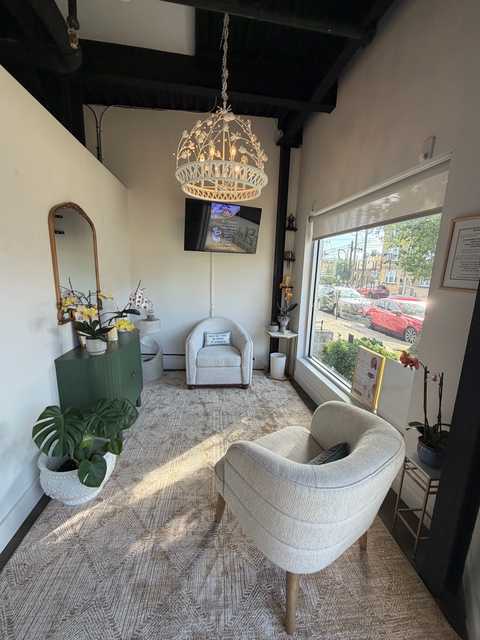
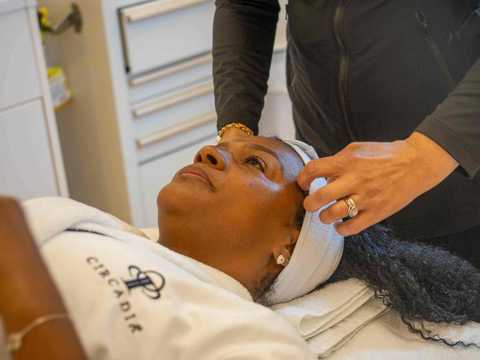
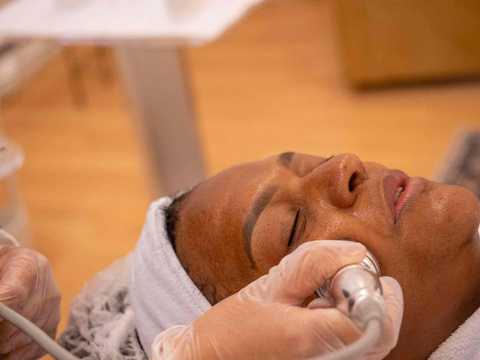
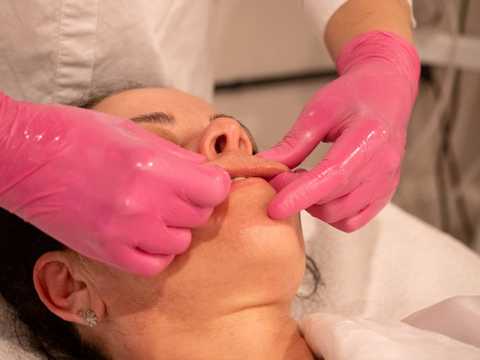
See examples of our Lip work and results.










What Our Clients Say
$$MultiPurposeText$$
Read testimonials from our satisfied customers

Joice is very professional. The location is always very clean and sanitary. I've received...more

So glad I found Joice!! I came for a full leg wax and she was incredibly thorough, gentle,...more

I really enjoyed the service. Joice is very attentive, and her space has such a peaceful a...more

Very grateful to have found Joice during a very sensitive pregnancy. I came to her having ...more

Joice was so wonderful and so nurturing! I seriously think she has the hands of an angel! ...more

I’ve been going to Facials and Waxing by Joice in Montclair for a while now and can honest...more

Frequently Asked Questions
Get answers to common questions about Lip.
Lip waxing typically keeps the area smooth for three to six weeks, depending on individual hair growth cycles. Regular appointments often reduce regrowth rate and make hair finer over time, extending intervals between sessions.
Pain is usually brief and manageable; many clients describe a quick stinging sensation during removal. Skilled estheticians use proper technique and temperature to minimize discomfort, and topical soothing gels can help afterwards.
Arrive with clean, dry skin and hair about a quarter-inch long for optimal waxing. Avoid retinoids, strong exfoliants, and recent sun exposure for several days. Mention medications and recent treatments to your esthetician.
Soothe the area with cool compresses and fragrance-free moisturizers after waxing. Avoid heavy makeup, heat, saunas, and direct sun for 24–48 hours. Exfoliate gently after 48–72 hours to prevent ingrown hairs.
Yes in many cases, but we recommend a patch test if your skin is sensitive or acne-prone. Expect extra care: gentler waxes, shorter sessions, and specific aftercare. Severe conditions like cystic acne or certain medications may require avoiding waxing.
Most clients schedule Lip waxing every three to six weeks based on hair regrowth. Beginners often return sooner, while regular clients can lengthen intervals as hair grows finer. Your esthetician will recommend a personalized schedule.